In a world increasingly driven by digital interactions, the notion of trust has undergone a radical transformation. Traditionally safeguarded by centralized authorities—banks, governments, legal institutions—trust has long required third-party oversight. But with the emergence of blockchain technology, this reliance is being fundamentally redefined. More than just the foundation for cryptocurrencies like Bitcoin and Ethereum, blockchain is reshaping industries, recalibrating how we store data, exchange assets, and establish credibility across borders. It is not merely a technical innovation; it is a philosophical shift in how societies operate in a digitized era.
What Is Blockchain? The Concept Simplified
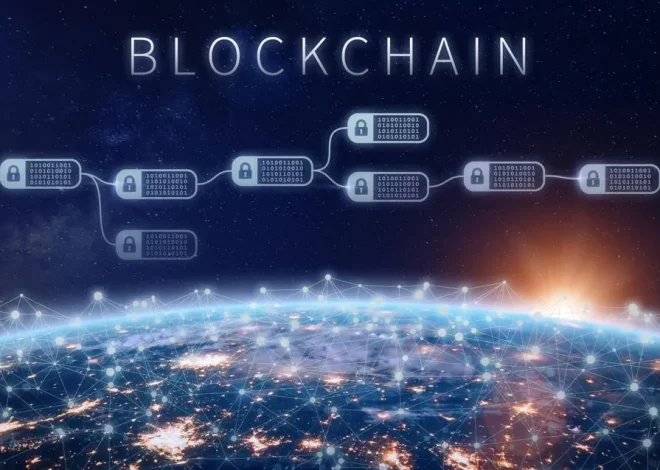
At its core, blockchain is a distributed ledger technology (DLT) that allows data to be recorded across multiple computers in a way that ensures transparency, security, and immutability. Unlike traditional databases managed by a central authority, a blockchain is maintained by a network of nodes that all share and validate the same version of the truth.
Each “block” contains a list of transactions, a timestamp, and a cryptographic hash of the previous block—forming a chain that is nearly impossible to alter without consensus from the network. This design makes blockchain inherently resistant to tampering and fraud, offering a level of integrity that has long been elusive in digital ecosystems.
Key Features That Set Blockchain Apart
Decentralization: No single point of control. Every participant holds a copy of the ledger, fostering collective ownership and reducing systemic risk.
Transparency: All transactions are visible to network participants, ensuring accountability and reducing the likelihood of corruption.
Immutability: Once data is written to the blockchain, it cannot be changed without network approval, preserving historical accuracy.
Security: Cryptographic algorithms protect data, making unauthorized access and manipulation virtually impossible.
Smart Contracts: Self-executing contracts coded into the blockchain that activate automatically when predetermined conditions are met, eliminating the need for intermediaries.
Real-World Applications: Beyond Cryptocurrency
While blockchain gained notoriety as the infrastructure behind Bitcoin, its potential extends far beyond digital currencies. Industries worldwide are adopting the technology to streamline operations, enhance trust, and unlock new business models.
Supply Chain Management
Blockchain introduces unprecedented visibility into the supply chain. Companies can trace the journey of goods from origin to consumer, ensuring ethical sourcing, reducing fraud, and improving inventory control. For instance, a luxury fashion brand can use blockchain to authenticate the provenance of a handbag, while a food distributor can track produce from farm to fork to ensure freshness and safety.
Healthcare
In the healthcare sector, blockchain offers secure and interoperable data sharing among providers, patients, and insurers. Medical records stored on a blockchain can be instantly accessed by authorized parties, reducing administrative delays and enhancing patient care. Moreover, the technology can combat counterfeit drugs by verifying the authenticity of medications through transparent supply chains.
Finance and Banking
Perhaps the most intuitive application outside of cryptocurrencies is in traditional finance. Blockchain facilitates faster cross-border payments, reduces transaction costs, and enables real-time auditing. By replacing cumbersome paperwork with immutable digital records, it simplifies compliance and minimizes fraud.
Real Estate
Blockchain brings efficiency and transparency to real estate transactions, a field notorious for bureaucracy and hidden fees. Smart contracts can automate property transfers, ensure accuracy in deed records, and even streamline rental agreements, all while reducing reliance on lawyers and brokers.
Challenges and Misconceptions
Despite its promise, blockchain is not without hurdles. Scalability remains a pressing concern—processing speeds on many blockchains are still slower than conventional systems, limiting their practicality for high-volume applications. Energy consumption, particularly on proof-of-work blockchains like Bitcoin, has sparked environmental concerns.
Additionally, regulatory ambiguity continues to stymie adoption. Governments worldwide are grappling with how to classify and govern blockchain-based assets. The lack of a universal legal framework creates uncertainty, particularly for businesses operating in multiple jurisdictions.
And then there’s the misconception that blockchain is synonymous with anonymity. While transactions are pseudonymous, they are also transparent and traceable—traits that challenge the idea of complete privacy.
The Future of Blockchain: Evolution, Not Hype
As with any nascent technology, blockchain is evolving. Innovations like proof-of-stake and layer-2 solutions aim to address current limitations, offering more energy-efficient and scalable alternatives. Meanwhile, interoperability protocols are emerging to allow different blockchains to communicate, opening doors to more integrated and versatile ecosystems.
The integration of blockchain with other technologies—such as artificial intelligence, the Internet of Things (IoT), and quantum computing—hints at a future where smart machines can autonomously transact, data becomes self-verifying, and systems evolve beyond centralized control.
Governments are also taking note. Central Bank Digital Currencies (CBDCs) are being explored by numerous nations, signaling institutional recognition of blockchain’s potential. If implemented wisely, such initiatives could modernize financial infrastructure while preserving monetary sovereignty.
Conclusion: Trust Reimagined
Blockchain is not merely a disruptive technology—it is an ideological shift. By decentralizing trust and embedding it into code, blockchain enables individuals and organizations to interact with greater confidence and less friction. Its applications are vast, its implications profound, and its journey only just beginning.
While the path ahead may be complex, the destination is compelling: a world where trust is no longer issued by authority, but embedded in the very architecture of our digital lives. Whether in commerce, governance, or personal data, blockchain promises not just new tools—but a new language for the digital age.
As we stand at the cusp of this transformation, the question is no longer if blockchain will change the world, but how far and how fast that change will go.