Introduction: The Dawn of a Decentralized Era
In the vast tapestry of modern finance, few innovations have stirred as much fascination, controversy, and transformation as Bitcoin. Conceived in 2008 by the enigmatic figure Satoshi Nakamoto, Bitcoin emerged not merely as a digital currency but as a bold ideological statement—a challenge to traditional notions of money, banking, and sovereignty. Over a decade later, Bitcoin has evolved from a cryptographic experiment into a global phenomenon, compelling institutions, governments, and individuals alike to reimagine the future of money.
What is Bitcoin, Really?
At its essence, Bitcoin is a decentralized digital currency that enables peer-to-peer transactions without the need for an intermediary such as a bank or government. It operates on blockchain technology—a distributed ledger system that records transactions across a network of computers, ensuring transparency and immutability.
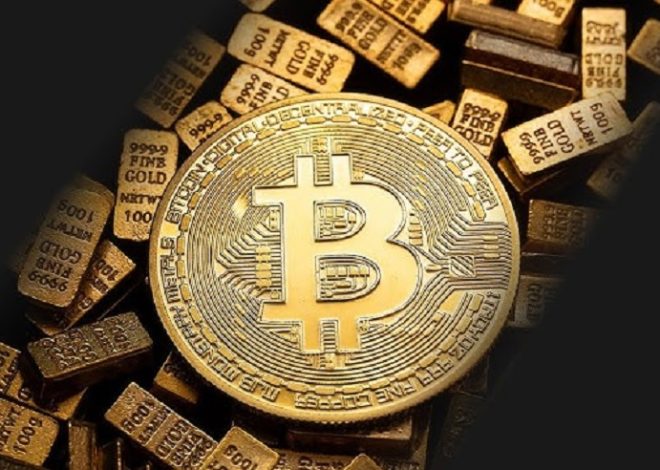
Unlike fiat currencies, Bitcoin is not printed or controlled by any central authority. Instead, new coins are created through a process called mining, wherein powerful computers solve complex mathematical problems to validate transactions and secure the network. This finite supply—capped at 21 million bitcoins—imbues it with an inherent scarcity, drawing comparisons to gold and earning it the moniker “digital gold.”
The Appeal: Why Bitcoin Resonates
Bitcoin’s allure is rooted in a unique convergence of technological innovation, economic philosophy, and societal shifts. Its rise can be attributed to several compelling factors:
-
Decentralization: In an era marked by growing skepticism toward centralized institutions, Bitcoin offers an alternative where no single entity can manipulate supply or censor transactions.
-
Limited Supply: The capped issuance ensures deflationary characteristics, positioning Bitcoin as a hedge against inflation—especially in times of excessive money printing by governments.
-
Borderless Transactions: Bitcoin transcends national boundaries, allowing people to transfer value globally with minimal friction and relatively low fees.
-
Financial Inclusion: For the unbanked and underbanked populations, Bitcoin provides a means of accessing financial services without the constraints of traditional banking infrastructure.
Bitcoin as an Investment: Promise and Peril
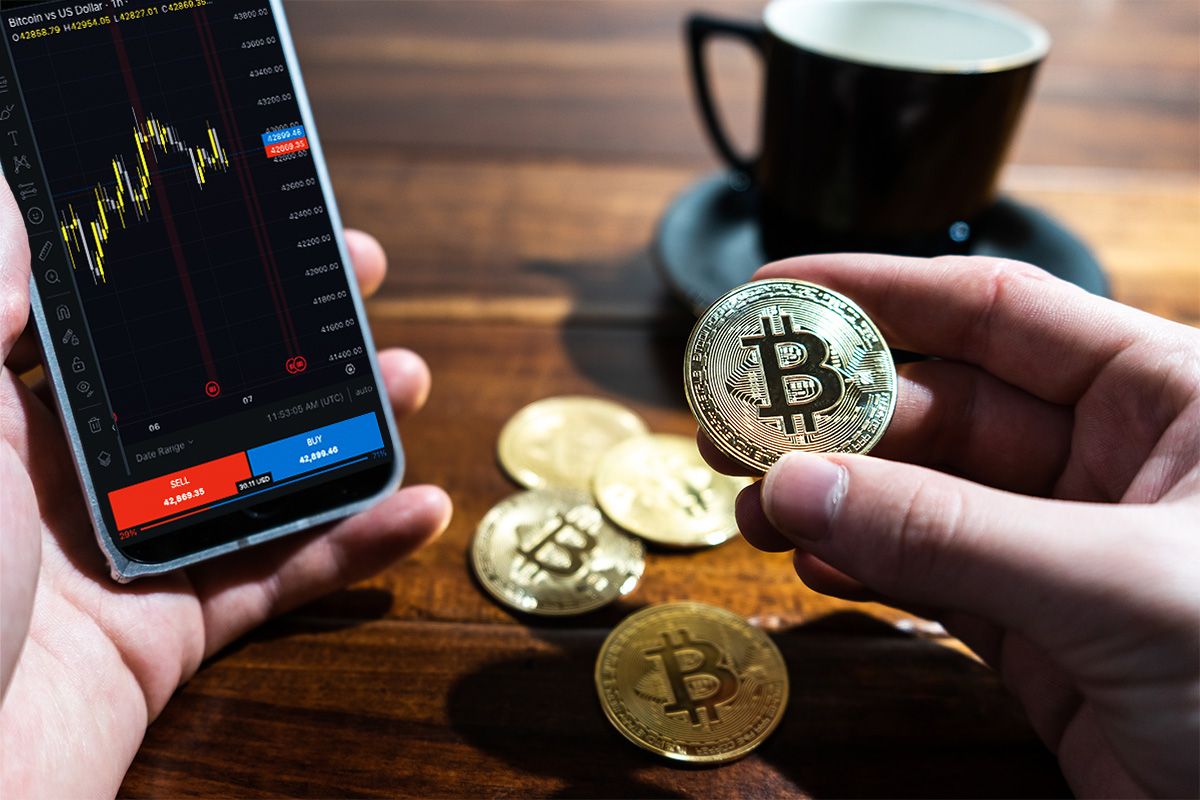
In recent years, Bitcoin has gained substantial traction as a speculative investment and store of value. Institutions once dismissive of cryptocurrency now allocate portions of their portfolios to Bitcoin, recognizing its potential to diversify and protect against macroeconomic uncertainties.
However, Bitcoin’s promise does not come without peril:
-
Volatility: Bitcoin’s price swings are legendary. While early adopters have reaped astronomical gains, others have suffered equally dramatic losses.
-
Regulatory Uncertainty: Governments worldwide continue to grapple with how to regulate Bitcoin. Crackdowns in some jurisdictions and ambiguous policies in others contribute to market uncertainty.
-
Security Risks: Although the Bitcoin network itself is remarkably secure, the broader ecosystem—exchanges, wallets, and user practices—can be vulnerable to hacks and scams.
For seasoned investors, Bitcoin’s high-risk, high-reward profile may fit within a diversified strategy. For others, it remains a speculative gamble.
The Cultural Impact: More Than Just Money
Bitcoin’s significance transcends its market value. It has ignited a broader cultural and philosophical dialogue about the nature of money, trust, and freedom. For many, Bitcoin symbolizes a quiet rebellion against the perceived overreach of central banks and the erosion of financial privacy.
Movements advocating for financial sovereignty have coalesced around Bitcoin, fostering communities that champion open-source development, cryptographic privacy, and decentralization. From Silicon Valley to small towns in El Salvador—where Bitcoin has even been adopted as legal tender—this digital currency has inspired a rethinking of financial systems once deemed immutable.
Bitcoin and the Future: Pathways Ahead
While no one can predict Bitcoin’s exact trajectory, several scenarios illuminate its possible futures:
1. Mainstream Adoption
As institutional interest deepens and regulatory frameworks mature, Bitcoin could solidify its status as a legitimate asset class alongside stocks, bonds, and commodities.
2. Digital Gold Standard
In an increasingly digital economy, Bitcoin may serve as a modern-day gold—an inflation hedge and a safe haven during economic turmoil.
3. Medium of Exchange
Though today Bitcoin is primarily held as an investment, improvements in scalability and transaction efficiency may pave the way for its broader use as a means of everyday payment.
4. Technological Evolution
Layered solutions like the Lightning Network aim to address Bitcoin’s transaction speed and cost challenges, making microtransactions feasible and enhancing its practical usability.
Navigating the Bitcoin Landscape: Tips for the Curious
For those intrigued by Bitcoin’s promise but cautious of its risks, consider these guiding principles:
-
Educate Yourself: Understanding the fundamentals of blockchain, wallets, and security is paramount. Blind speculation rarely ends well.
-
Start Small: Only invest what you can afford to lose. Bitcoin’s price can fluctuate wildly.
-
Secure Your Assets: Use reputable wallets, enable two-factor authentication, and never share your private keys.
-
Stay Informed: The crypto landscape evolves rapidly. Keeping abreast of regulatory changes, technological developments, and market trends can help you navigate with confidence.
Conclusion: Bitcoin’s Enduring Legacy
Bitcoin stands as a testament to the power of an idea whose time has come. In defying conventional finance and championing decentralization, it has not only created a new form of money but has also inspired a new ethos—one that values transparency, individual empowerment, and financial freedom.
Whether Bitcoin ultimately fulfills its grand vision or evolves into something else entirely, its imprint on the global financial system is indelible. For the curious and the cautious alike, Bitcoin represents not just an investment or a technology, but a compelling chapter in the ongoing story of human ingenuity and the relentless quest for a more open, equitable financial world.