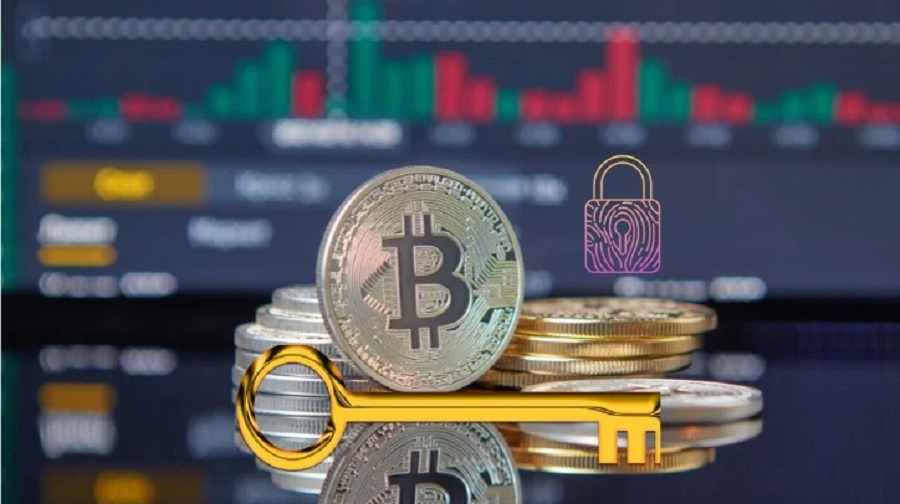
Not so long ago, the term “crypto trading” was the domain of tech-savvy pioneers tinkering in online forums, mining coins in cluttered garages, and exchanging digital assets on obscure websites. Fast forward to today, and crypto trading has become a mainstream financial phenomenon—a multi-trillion-dollar market that draws retail investors, hedge funds, and institutions alike. From the high-stakes swings of Bitcoin to the meme-driven rallies of Dogecoin, crypto trading has transformed how the world perceives and interacts with money itself
What Is Crypto Trading?
At its essence, crypto trading refers to the buying and selling of cryptocurrencies with the aim of making a profit. Unlike traditional stock trading, crypto markets run 24/7, unfettered by the opening bells of Wall Street or the holiday calendars of global exchanges. This continuous operation, coupled with the decentralized nature of blockchain technology, gives crypto trading its distinctive energy and volatility
Types of Crypto Trading
While the underlying principle of crypto trading is straightforward—buy low, sell high—the methods and strategies vary widely. Here are the core approaches traders use in the crypto arena
Day Trading Day traders exploit short-term price movements within a single day. They may execute dozens of trades in a session, relying on technical analysis, real-time news, and market sentiment. The goal is to capitalize on intraday volatility, which crypto markets are notorious for
Swing Trading Swing traders hold positions for days or weeks, seeking to benefit from broader price swings. This approach balances patience with agility, as traders monitor trends, chart patterns, and momentum indicators to decide when to enter or exit
Scalping Scalping is one of the most aggressive strategies. Scalpers target small, frequent profits by entering and exiting positions within minutes, sometimes seconds. In crypto, where price movements can be sudden and sharp, successful scalping demands razor-sharp focus and robust risk management
HODLing (Long-Term Investing) Some traders—known in crypto slang as “HODLers”—adopt a long-term perspective, buying and holding assets through market cycles. This strategy, more akin to investing than trading, is driven by the belief that certain cryptocurrencies will appreciate significantly over time as adoption grows
Key Factors That Drive Crypto Markets
Crypto traders must understand that digital asset prices are influenced by factors distinct from those that move traditional stocks or commodities. The crypto market is still relatively young, highly speculative, and often driven by sentiment
Market Sentiment: Social media, celebrity endorsements, and online communities like Reddit can fuel massive price surges or crashes overnight
Regulatory Developments: News of government crackdowns, new tax laws, or favorable regulations can send prices soaring or plummeting
Technological Upgrades: Network forks, upgrades, and new features can impact the perceived value and utility of a cryptocurrency
Macroeconomic Trends: Broader economic forces like inflation fears or fiat currency devaluation increasingly influence crypto markets, especially as institutional players enter the space
The Risks and Rewards of Crypto Trading
Anyone drawn to crypto trading must be clear-eyed about its nature: it can be lucrative, but it is not for the faint of heart
Volatility: A Double-Edged Sword Crypto’s legendary volatility creates opportunities for outsized gains but equally dramatic losses. A single tweet can wipe billions off a coin’s market cap or add billions overnight
Lack of Regulation While decentralization is a selling point for crypto, the lack of mature regulatory oversight makes the market ripe for manipulation, fraud, and rug pulls—where unscrupulous developers vanish with investors’ money
Technical Complexity Trading crypto requires a solid grasp of blockchain technology, wallet management, private keys, and sometimes even decentralized finance (DeFi) protocols. Mistakes, such as sending coins to the wrong address, can be irreversible
Security Risks Crypto exchanges have been frequent targets for hacks. While security measures have improved, traders must remain vigilant, use reputable platforms, enable two-factor authentication, and store assets in secure wallets
Essential Tools for Aspiring Crypto Traders
To navigate this volatile market with a measure of confidence, traders rely on a blend of tools and practices
Exchanges: Choose reliable, regulated exchanges with strong security features, competitive fees, and deep liquidity
Wallets: Use secure wallets—hardware wallets for long-term storage, hot wallets for active trading
Technical Analysis Platforms: Charting tools like TradingView or Coinigy help traders analyze trends, set alerts, and back-test strategies
News Feeds and Communities: Staying informed through reputable crypto news outlets and community forums is crucial for catching market-moving developments
Risk Management Systems: Setting stop-loss orders, diversifying holdings, and only risking what you can afford to lose are cardinal rules
Practical Tips for Trading Wisely
Success in crypto trading demands a disciplined mindset, not just technical knowledge. Here are some golden rules seasoned traders live by
Never Trade on Emotion: Fear and greed are potent forces. Having a plan—and sticking to it—is critical when prices swing wildly
Educate Yourself Continuously: The crypto landscape evolves rapidly. Staying up to date with new protocols, regulatory shifts, and market dynamics is non-negotiable
Start Small: Beginners should trade with sums they can afford to lose until they gain experience and confidence
Diversify: Putting all your capital into a single coin exposes you to unnecessary risk. Diversification can smooth out extreme swings
The Future of Crypto Trading
Crypto trading is still in its adolescence. As the market matures, we are likely to see greater regulatory clarity, institutional adoption, and the emergence of advanced financial instruments like crypto ETFs, futures, and decentralized exchanges (DEXs). These developments may temper volatility and attract a wider audience, but they will also demand that traders adapt, upskill, and remain vigilant
Conclusion: An Arena for the Bold and Informed
Crypto trading is not a game of chance; it is a frontier that rewards those who approach it with knowledge, discipline, and humility. While the promise of life-changing gains lures many, it is the traders who respect its risks, adapt to its speed, and master its tools who endure
In a digital age defined by innovation and disruption, crypto trading stands as one of the most compelling—yet unforgiving—arenas for modern investors. For those willing to learn its language and respect its volatility, it offers more than speculation; it offers a glimpse into the future of finance itself