Bitcoin: Rewriting the Rules of Global Wealth and Trust
Introduction: A Currency Born of Crisis
When the world’s financial systems buckled under the weight of the 2008 global recession, it exposed an uncomfortable truth: the very institutions entrusted with safeguarding the global economy could themselves be sources of catastrophic risk. From this maelstrom of disillusionment emerged a radical idea, embodied in a nine-page white paper by an enigmatic figure known only as Satoshi Nakamoto. That idea was Bitcoin—a digital currency designed to function without intermediaries, borders, or the fallibility of human control.
More than fifteen years later, Bitcoin is no longer a fringe experiment debated in cryptography forums. It has woven itself into the fabric of mainstream finance, igniting passions, forging fortunes, and sparking a philosophical battle about the very nature of money.
What Exactly Is Bitcoin?
At its core, Bitcoin is both simple and astonishingly complex. It is a decentralized digital currency that allows any two people, anywhere in the world, to transfer value to each other directly—without relying on a bank, government, or payment processor. Its revolutionary architecture is powered by blockchain technology: a transparent, append-only ledger maintained by a dispersed network of computers known as miners.
Key attributes of Bitcoin include:
-
Decentralization: No single entity controls the network. Power is distributed among countless participants worldwide.
-
Limited Supply: Only 21 million bitcoins will ever exist, creating a built-in scarcity that has drawn comparisons to precious metals.
-
Transparency and Immutability: Every transaction is recorded on the blockchain for all to see, yet no one can retroactively alter it.
-
Security: Robust cryptographic protocols make forging transactions or counterfeiting coins virtually impossible.
The Allure: Why So Many Believe in Bitcoin
Bitcoin’s appeal is not merely technological. It taps into a deep undercurrent of skepticism toward centralized power and the erosion of financial privacy. For its staunchest supporters, Bitcoin is more than a currency—it is a peaceful protest against economic manipulation and monetary debasement.
Several reasons underpin Bitcoin’s growing magnetism:
-
A Hedge Against Inflation: In a world where central banks can print unlimited fiat money, Bitcoin’s hard cap makes it attractive to investors wary of currency devaluation.
-
Borderless Finance: Bitcoin transcends national boundaries, offering a censorship-resistant medium of exchange for those living under capital controls or unstable regimes.
-
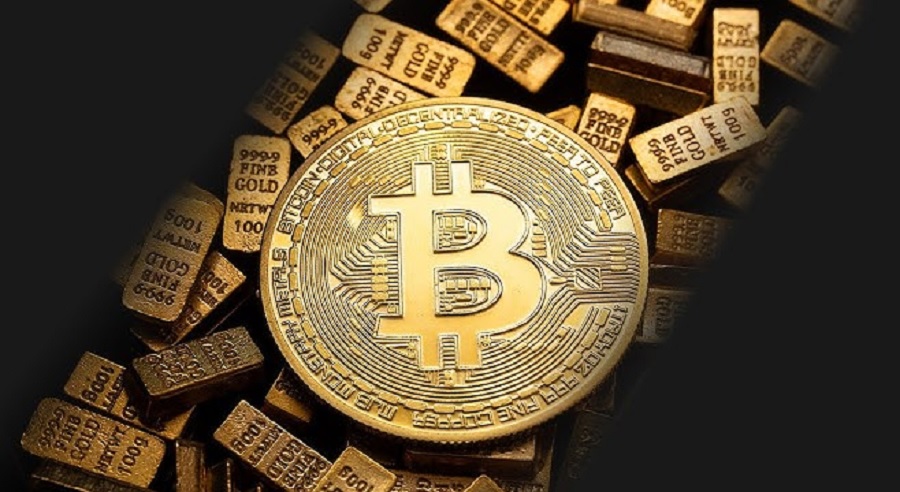
Digital Gold: As a scarce, portable, and divisible asset, Bitcoin has earned a reputation as a modern store of value, akin to gold but with superior liquidity.
-
Empowerment: For millions without access to traditional banking, Bitcoin opens the door to global financial participation with nothing more than a smartphone and an internet connection.
The Investment Roller Coaster
Despite its lofty promises, Bitcoin is no haven for the faint-hearted. Its price history reads like a dramatic saga of meteoric rises and gut-wrenching crashes. Early adopters who mined or purchased Bitcoin when it was worth mere cents have watched its value soar into the tens of thousands of dollars—only to see it plunge by half in a matter of months.
Yet this volatility has not deterred sophisticated investors. On the contrary, major hedge funds, publicly traded companies, and even pension funds now hold Bitcoin on their balance sheets, viewing it as an uncorrelated asset that may hedge systemic risks in traditional markets.
Still, the prudent investor must approach Bitcoin with a clear-eyed recognition of its speculative nature.
Key considerations for prospective investors include:
-
Never Invest More Than You Can Afford to Lose: Bitcoin remains a volatile, high-risk asset.
-
Practice Sound Security: Store coins in reputable, secure wallets—preferably hardware wallets that keep private keys offline.
-
Stay Informed: The cryptocurrency landscape evolves rapidly. Regulatory developments, technological upgrades, and macroeconomic shifts can all impact Bitcoin’s trajectory.
Bitcoin and Regulation: The Unresolved Puzzle
Governments worldwide are grappling with how to approach Bitcoin. Some countries, like Japan, have embraced it by crafting clear legal frameworks. Others, like China, have cracked down aggressively, banning mining operations and exchanges within their borders.
This regulatory tug-of-war will shape Bitcoin’s future in profound ways. Clarity and thoughtful oversight could foster mainstream adoption and protect consumers without undermining Bitcoin’s decentralized ethos. Overreach, however, could stifle innovation and push activity into shadowy corners of the internet.
Technological Advancements: Scaling the Digital Colossus
Critics often point to Bitcoin’s limitations: its relatively slow transaction speed and sometimes high fees make it impractical for day-to-day purchases at scale. However, developers have not stood still.
Innovations such as the Lightning Network, a “layer two” solution built atop the Bitcoin blockchain, promise to make microtransactions near-instantaneous and exceedingly cheap. If these scaling solutions continue to mature, Bitcoin could evolve from primarily a store of value to a widely used medium of exchange.
The Cultural Phenomenon: A Symbol Beyond Code
Perhaps Bitcoin’s most profound impact is cultural. It has become a rallying cry for those who believe in individual sovereignty, privacy, and open-source collaboration. Bitcoin meetups, conferences, and communities span the globe, attracting libertarians, technologists, entrepreneurs, and everyday people seeking a sense of financial agency.
In nations facing economic collapse—like Venezuela or parts of Africa—Bitcoin has become a lifeline for preserving wealth and circumventing failing institutions. Here, Bitcoin’s promise is not theoretical. It is tangible, immediate, and sometimes life-saving.
Practical Wisdom for the Bitcoin Curious
If you find yourself intrigued by Bitcoin’s promises but wary of its risks, take heart. A measured approach is not only possible but advisable:
-
Study the Fundamentals: Understand how blockchain works, what gives Bitcoin value, and what security measures are non-negotiable.
-
Avoid FOMO (Fear of Missing Out): Bitcoin is a marathon, not a sprint. Rash decisions driven by hype cycles often end in regret.
-
Engage with the Community: Bitcoin’s strength lies in its global community. Connect with others, ask questions, and learn from seasoned participants.
-
Think Long Term: Bitcoin’s short-term price swings can be brutal. Many successful holders adopt a long-term perspective, viewing it as a decade-spanning experiment in digital scarcity.
Conclusion: The Future Written in Code
Bitcoin remains a puzzle—a volatile asset, a technological marvel, an ideological statement, and a cultural movement all at once. Will it dethrone fiat currencies, upend the financial order, and deliver on its promise of monetary sovereignty for all? Or will it fade into obscurity as a fascinating experiment, overtaken by more efficient or more compliant alternatives?
No one can say with certainty. Yet what is clear is that Bitcoin has already altered the conversation about what money is, who controls it, and what it means to truly own your wealth. Whether you see Bitcoin as a revolutionary force or a speculative bubble, its story is undeniably one of the most compelling economic tales of our age—a reminder that even the oldest institutions can be reimagined with a spark of radical thinking and a bit of cryptographic code.